
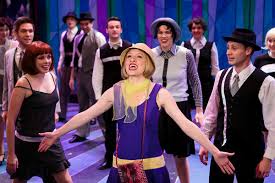
Finding Your Voice in Musical Theatre Singing
Musical theatre singing sits at the crossroads of storytelling, acting, and vocal performance. Unlike many other styles of singing, the goal is not simply to sound beautiful — it is to communicate emotion, character, and narrative through music. Whether you are stepping into your first audition room or preparing for a lead role on stage, understanding the unique demands of musical theatre singing can help you become a stronger, more versatile performer.
What Makes Musical Theatre Singing Unique?
Musical theatre singers are storytellers first. Every lyric serves a dramatic purpose, and every musical phrase reveals something about the character. In a single performance, a singer may need to move from spoken dialogue into song seamlessly while maintaining emotional authenticity.
This is what separates musical theatre from many pop or classical performances. Technique matters deeply, but technique alone is never enough. Audiences connect most strongly when a performer combines vocal skill with believable acting.
Musical theatre also spans a huge range of vocal styles. Golden Age musicals often require a more legit, classical sound, while contemporary shows may lean toward pop, rock, or even folk-inspired vocals. A successful performer learns how to adapt their voice to fit different genres without losing vocal health.
The Importance of Vocal Technique
Strong vocal technique forms the foundation of sustainable singing. Musical theatre schedules can be demanding, especially during rehearsal periods and long performance runs. Without proper support and healthy habits, singers risk fatigue or injury.
Some of the most important technical elements include:
Breath Support
Breath is the engine behind the voice. Controlled breathing allows singers to sustain phrases, project clearly, and maintain consistency throughout a performance. Many vocal coaches emphasize diaphragmatic breathing to create stability and reduce tension.
Resonance and Placement
Learning how to shape sound efficiently helps singers project without straining. In theatre, performers often need to be heard clearly across large spaces while still sounding conversational and emotionally grounded.
Healthy Belt Technique
Belting is a defining feature of many modern musicals, but it requires careful coordination. True belt singing should feel supported rather than forced. Good teachers help performers develop strength without pushing the voice beyond safe limits.
Flexibility Across Styles
A musical theatre singer may perform a classical ballad one day and a contemporary rock number the next. Building flexibility helps performers move between styles with confidence.
Acting Through Song
One of the biggest challenges for musical theatre performers is learning to act while singing. A technically perfect performance can still feel flat if the emotional connection is missing.
To improve storytelling in songs:
- Understand the character’s objective.
- Identify emotional shifts within the lyrics.
- Treat songs as conversations rather than vocal showcases.
- Focus on clear diction and meaningful phrasing.
- Stay physically connected to the scene and other performers.
The strongest musical theatre performances often feel spontaneous, even after months of rehearsal. Great performers make audiences believe the words are being spoken for the very first time.
Auditioning for Musical Theatre
Auditions can feel intimidating, but preparation makes a huge difference. Musical theatre auditions usually require performers to sing a short selection that showcases both vocal ability and acting choices.
Here are a few useful audition tips:
Choose Material Wisely
Pick songs that suit your voice, personality, and casting type. A song that feels authentic will almost always create a stronger impression than one chosen only for vocal difficulty.
Know the Story
Before singing, understand the context of the song. Who is the character speaking to? What do they want? What is at stake emotionally?
Practice with Accompaniment
Rehearsing with piano tracks or a live accompanist helps singers become more rhythmically secure and adaptable.
Prioritize Connection Over Perfection
Casting teams are often looking for performers who feel emotionally truthful and engaging. Minor imperfections are less important than genuine storytelling.
Caring for Your Voice
Vocal health is essential for performers. Theatre schedules can involve multiple rehearsals, late nights, and repeated performances, all of which place stress on the voice.
Some healthy vocal habits include:
- Staying hydrated throughout the day.
- Warming up before rehearsals and performances.
- Avoiding excessive yelling or vocal strain.
- Getting adequate sleep and rest.
- Taking breaks when experiencing fatigue.
- Working with qualified vocal coaches when learning demanding material.
Consistency matters more than occasional intense practice sessions. Healthy singers focus on sustainable habits that support long-term growth.
Building Confidence as a Performer
Confidence in musical theatre does not come from eliminating nerves completely. Instead, it comes from preparation, repetition, and trust in your training.
Many performers experience stage fright, especially before auditions or opening nights. Developing routines can help reduce anxiety:
- Create a reliable vocal warm-up.
- Practice visualization techniques.
- Focus on the character instead of self-judgment.
- Accept mistakes as part of live performance.
- Build experience through regular performance opportunities.
Over time, confidence grows through consistent practice and real-world experience.
The Joy of Musical Theatre Singing
Musical theatre singing offers something uniquely powerful: the chance to combine music, drama, movement, and human connection into one performance. It allows performers to tell stories that make audiences laugh, cry, reflect, and celebrate.
For many singers, the greatest reward is not simply hitting the perfect note — it is creating a moment that feels alive and emotionally honest.
Whether you dream of performing on Broadway, joining local productions, or simply exploring a new artistic challenge, musical theatre singing can be a deeply fulfilling journey. With dedication, healthy technique, and a love of storytelling, performers can continue growing both as singers and as artists.
Final Thoughts
Musical theatre singing is about far more than vocal ability. It requires emotional honesty, adaptability, technical skill, and a willingness to connect with audiences through storytelling. The best performers understand that every song is part of a larger narrative.
As musical theatre continues to evolve, singers who combine strong technique with authentic expression will always stand out. In the end, the voice is not just an instrument — it is a tool for bringing characters and stories to life.